



The Investment Pieces Worth Buying
A luxury handbag is one of the few fashion purchases that can actually appreciate, or at minimum, earn its cost back in decades of daily use. But not every "investment bag" is built for everyday life. Here's how to tell the difference, and which styles are worth the spend.
What Makes a Handbag Worth the Investment
The short answer: hardware quality, leather type, and structure that holds its shape over years of daily wear, not just a recognizable logo. A true investment bag should look as good in year eight as it did on day one, hold up to daily contents (laptop, wallet, water bottle) without sagging, and work across both casual and dressed-up occasions.
Signs a bag is built to last:
- Full-grain or top-grain leather, softer coated leathers wear faster and show scratches
- Reinforced stitching at stress points (handles, corners, zipper pulls)
- A structured base that doesn't collapse or slouch when the bag is half-empty
- Hardware that's plated well, cheap plating tarnishes within a year of daily use
The Best Everyday Luxury Handbags to Buy Right Now
- A structured top-handle bag — the most versatile silhouette; it moves from desk to dinner without looking like a work bag
- A crossbody in a mid-size — the bag most people actually reach for daily; look for adjustable straps and a shape that sits flat against the body
- A tote with a zip-top closure — for anyone carrying a laptop or daily essentials; the zip closure matters more than people expect once you're commuting
- A classic flap bag — timeless, holds resale value well, and works from a Tuesday errand run to a Saturday dinner


Which Handbag Lasts Longest?
Structured bags in full-grain leather with metal (not resin) hardware consistently outlast slouchy, unstructured styles. Bags with a hard base and boxed corners hold their shape through years of being set down, packed, and unpacked, a soft, unstructured hobo will show wear far faster, regardless of brand.
Is It Worth Buying a Designer Bag or Investing in Quality Leather Goods Instead?
Both can be the right call, it depends on how you're using the bag. A recognizable designer bag holds resale value better and can be a smart long-term purchase if you'll carry it for a decade. A quality leather bag from a smaller or lesser-known maker often gets you the same craftsmanship, full-grain leather, solid hardware, real stitching, at a lower price point, without the resale cushion. If longevity and daily use matter more to you than brand recognition, don't rule out the second option.
How to Care for a Luxury Handbag So It Lasts
- Condition leather every 3–6 months, more often in humid climates like Charleston's
- Store bags upright with stuffing (tissue paper or a bag pillow) to hold their shape
- Rotate bags rather than wearing one daily, this is the single biggest factor in longevity
- Keep leather out of direct sun and away from dark denim, which can transfer dye onto lighter leathers
Building a Handbag Collection (Instead of Buying One at a Time)
Rather than buying whatever's trending, build toward a small rotation that covers your actual week: one structured bag for work, one crossbody for errands and travel, and one elevated bag for dinners and events. Three well-chosen bags in different silhouettes will outlast and outperform five bags that all do the same job.

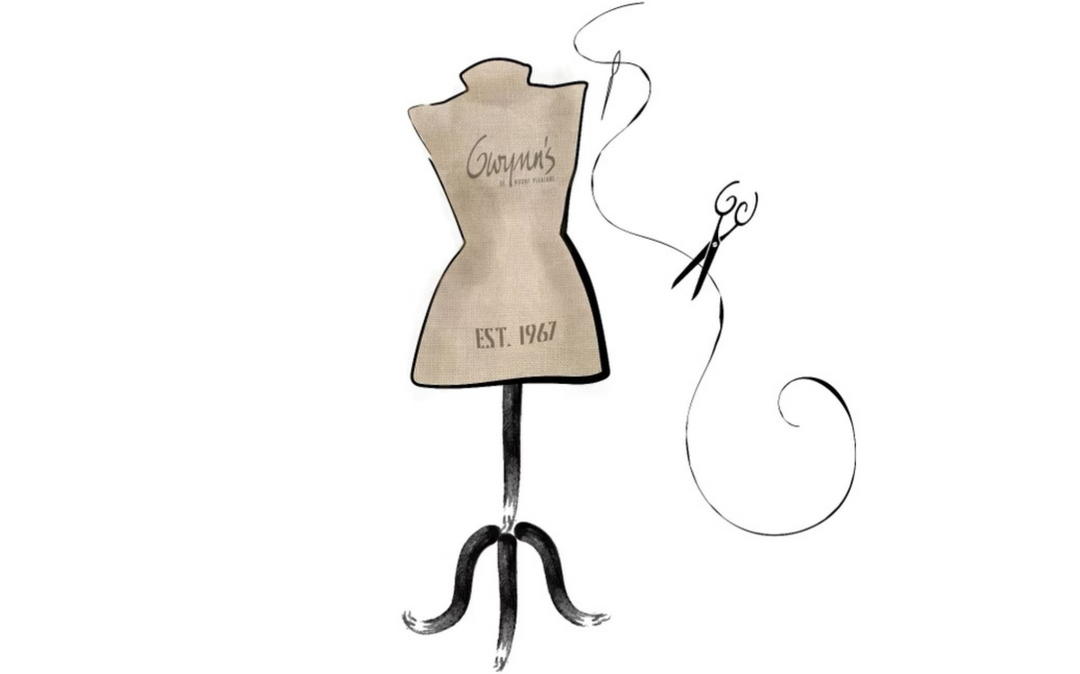
Bespoke Tailoring
Experience the art of precision with our expert tailoring services, crafted to elevate your style with a perfect fit.
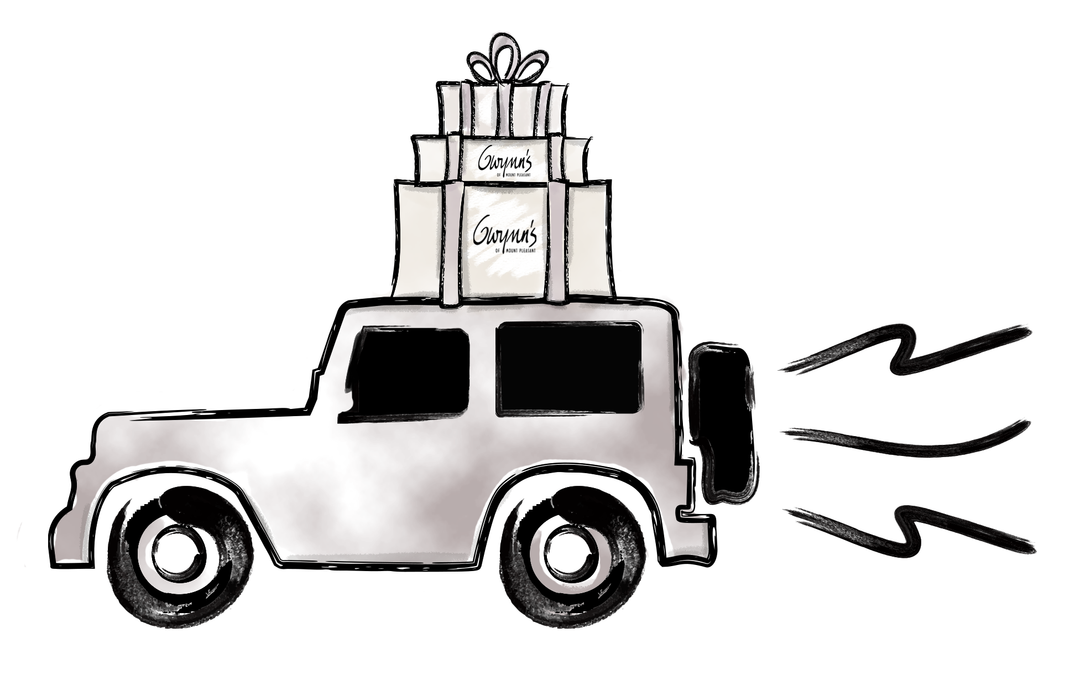
Same Day Delivery
In a fashion emergency? Locals enjoy same-day delivery Monday-Saturday. Order by 1 pm.
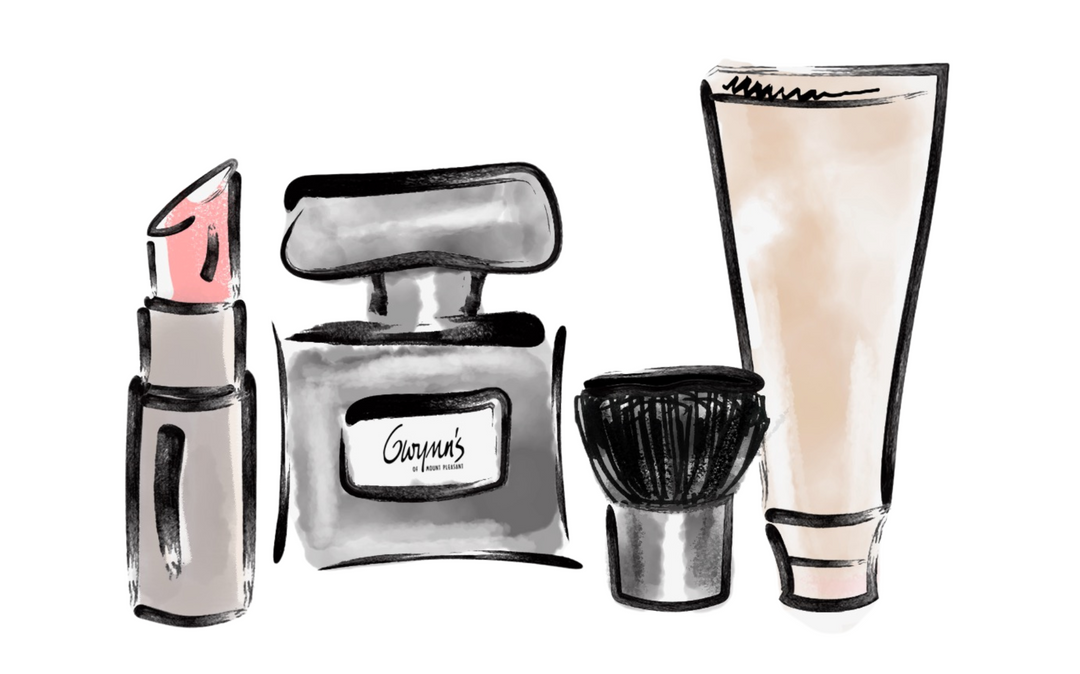
Gwynn's Beauty
Enjoy complimentary skincare and makeup consultation by a seasoned professional with any 3 product beauty purchase.